
– Continuing our occasional history series, we look back to Whāingaroa a century ago – 1926 (part 3)
By John Lawson
Raglan had three Anglican vicars in 1926. In March the Raglan-Kawhia-Waingaro parish was divided into a northern half of Pepepe, Waingaro, Raglan and Aotea, and a southern part, with Kawhia and Otorohanga. Rev. C. J. Bush-King, who had been filling in, following Rev. Clarence Seton’s departure in 1925, took the southern area. He was said to have performed a record in reaching Kawhia on Christmas night, after having conducted morning and afternoon service at Raglan, Te Mata and Te Uku in a day. The reporter wrote, “Truly he spares neither himself nor his car!”
In January Rev. Jim Beaufort moved from Hauraki Plains to take over in Raglan. He was described as young, friendly and a good mixer, was in the Air Force during the 1914-18 war and then completed his Anglican Church studies. In August he left to join the Navy as chaplain on Philomel. He was later a master at King’s College, and in the 1930s was Joint Headmaster and founder with Mr Broadhurst of St. Peters’ School, Cambridge. He was replaced in September by Rev. G. A. Young. He was from England and a master at a Marton private school until the Great War, when he became a private. He was ordained by the Bishop of Auckland in 1919, was Assistant-Priest of St Mary’s, New Plymouth, vicar of Whangamamona, went to Shannon in 1929 and returned to England in 1934.
In September there was also change in the Congregational Church. Pastor Daniel Benton, who came in 1925, was replaced by Rev. James Smeeth, from the Whangaroa Methodist Circuit.
Doctors changed too. In September Dr. Cashmore resigned from the Raglan District Medical Association to take a post-graduate course at British hospitals. He was followed for a few months by Dr Lange.
Dr. Cashmore had chaired the annual meeting of Raglan Rugby Football Union in May, Teams played included Moerangi, Te Akau, Te Mata and Hamilton, who were entertained to dinner at the Harbour View Hotel. However, in August a Raglan-Kawhia match was abandoned, due to the death of one of their best players and “the apathy of the Northern S.S. Co. in providing a steamer”.
On 17 July, whilst playing football, Sidney Raymond Death, Waingaro, aged 28, died soon after a Raglan v United of Hamilton game started. A post mortem found he died of sudden heart failure due to fatty degeneration of the heart.
The dairy factory on Wallis St was still doing well. A 1200 gal. cork-insulated vat was built, there were 145 suppliers and F. V. Stewart, who’d been manager of Oparau Co-op. Dairy Co, became manager of the Raglan Coop. The ongoing contest between Frankton and Raglan factories continued. Intermittent rain in October and November delayed shearing so the first sales of the season were missed. Possibly the rain also accounted for the lack of reports of bush fires.
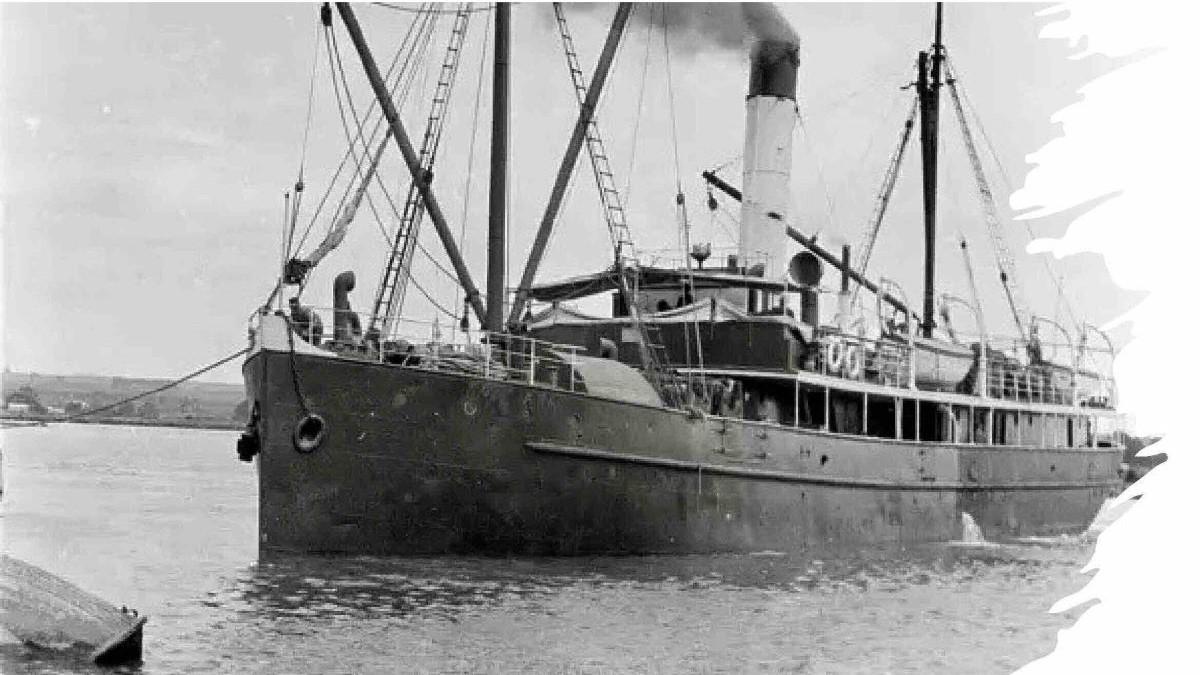
Changes were reflected in the port returns, with increases in butter and wool tonnages, offsetting other losses –
| Year | Wool | Dairy | Flax | Timber | other goods | Total | Number of ships |
| 1925 | 246 | 196 | 9 | 122 | 103 | 676 | 53 |
| 1926 | 266 | 263 | 13 | 53 | 125 | 720 | 54 |
| 1927 | 271 | 340 | 28 | 105 | 144 | 888 | 55 |
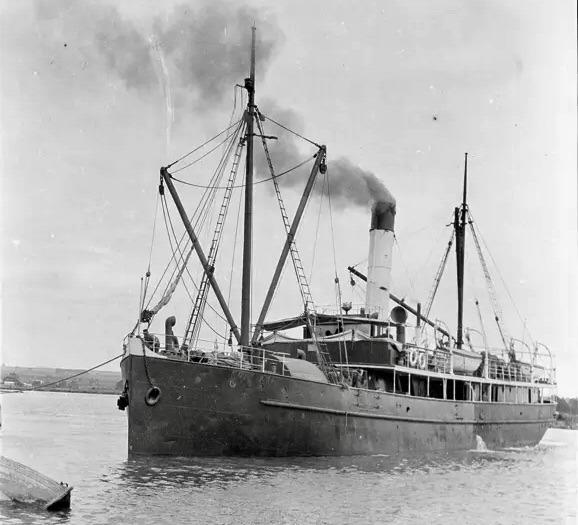
Although RCC asked the shipping companies to lower the price of wharfage on manure from 1s to 6d a ton “to meet outside competition”, it seems that shipping was still accepted as the main carrier of goods, because another report said an extra sailing had been put on for the first wool sale of the season and remarked, “some bales were even taken to Hamilton by lorry and trucked down by rail”.
The Department of Lands & Survey decided to end the £30 a year Te Akau-Raglan ferry subsidy, paid since 1913, 1370 passengers used the ferry in 1926. It continued until at least 1944, with £20 from RCC and £10 from Raglan Town Board.