


These notes about the Better Buses meeting have been prepared by John Lawson, Secretary of Whāingaroa Environmental Defence Inc., 51 Cliff St, Raglan 07 825 7866 email johnragla@gmail.com
On Sunday 19 July a Better Buses meeting in the Town Hall Supper Room at 4pm to discuss whether we can get Regional Council to provide a bus which will suit more than 2% of travellers between Raglan and Hamilton. WRC is getting tenders which will lock crowded peak buses and few others in for the next decade for Raglan.
Regional Council claim that the timetables were set after consultation. That’s true. The problem is Council didn’t get the full report about what passengers wanted until after they’d made their decisions. For example, they weren’t told that 60.4% (102) wanted a better weekend service. So it wasn’t included, though they extended the Te Aroha bus, with only 23.1% (31) support. They weren’t told “Visitors frequently ask about transport options at info centres but are disappointed by the lack of services”. No account has been taken of visitor numbers.
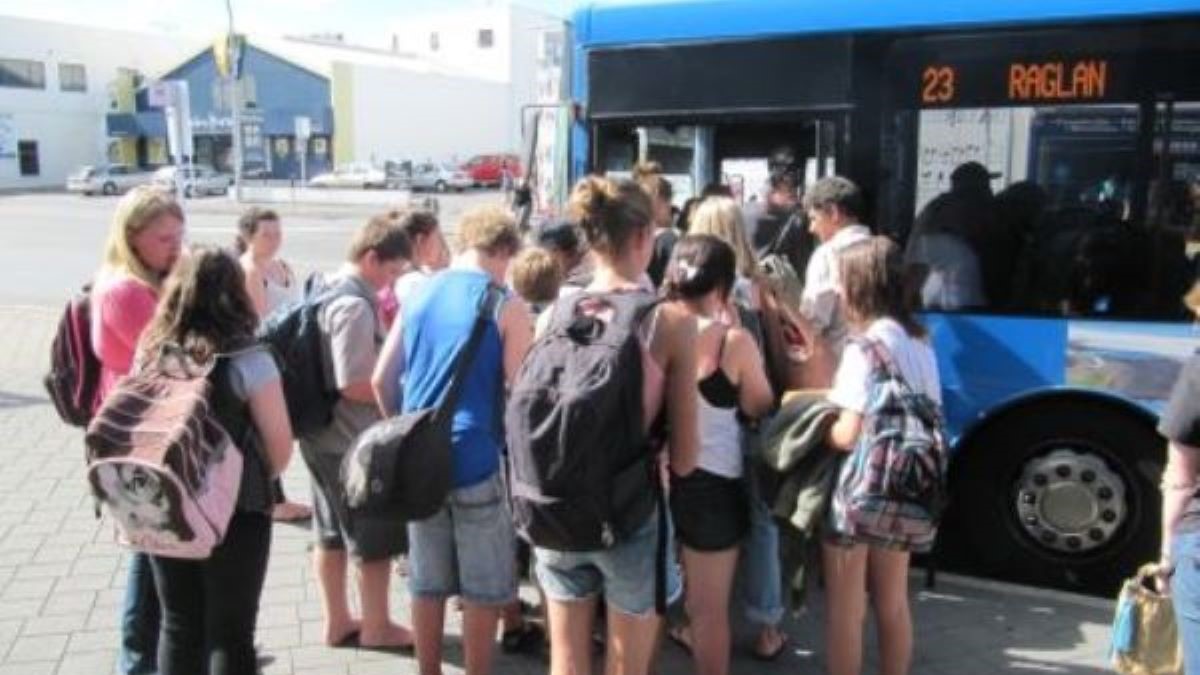
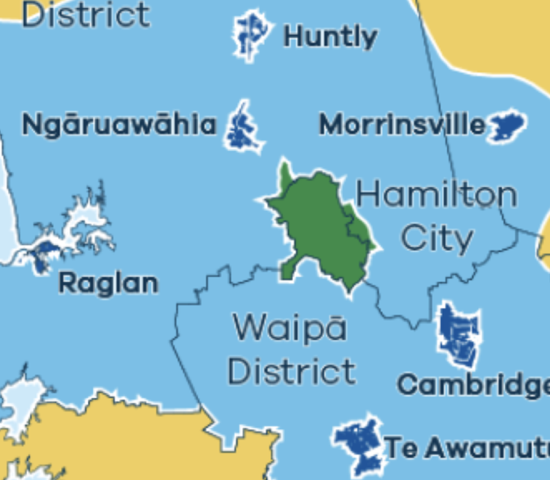
Passengers are often standing for part of the journey on the double decker bus. That could be eased by running buses ahead of and behind it, but there are gaps of 3 hours, or more. Raglan’s population is growing rapidly, so the problem is only likely to get worse in the next decade. Raglan has the most crowded buses in the Region, with an average of 25 passengers per bus, the next most crowded being the Orbiter, with 22.7 per bus. However, the Raglan bus runs 5 times a day each way, whereas the Orbiter has 60 buses a day. The next most busy of the Hamilton’s satellite town buses is that to Cambridge with an average 13.6 passengers per bus, but 17 buses a day. Each ratepayer in the towns marked in blue on this transport rating zones map, including Raglan, pays $77.88 a year to subsidise buses, but Huntly, Ngāruawāhia, Cambridge and Te Awamutu get hourly buses for that rate. Morrinsville has 7 buses a day (2 more than Raglan), but only an average of 10.9 passengers per bus. The areas marked in light blue have the same buses going through them, but pay only half the transport rate.

Our regional councillor has little interest in public transport; he was one of 3 who wanted to increase Te Huia fares by 60%. Instead Council increased them by 25%. This Council isn’t going to improve public transport, despite global warming and fuel price increases, unless pressed strongly to do so. We only got the double decker after police stopped overcrowded buses. Come and say what you’d like to do about it.
The agenda for the Better Bus meeting has yet to be set, so please suggest improvements to this initial draft. Cr. Lisa Thomson will speak about the isssue and the role of District Council and Community Board, then we could break into workshop groups to talk about –
• discussing and publicising the problems and opportunities
• lobbying the right bits of WRC
• ways to apply more pressure eg petitions, speak at WRC, guerilla tactics to overcrowd buses etc, demonstrations, further meetings, creating on-going publicity
• getting a structure plan (WRC say there’s no plan requiring better buses to serve a growing population)
• people to work on research, publicity, lobbying, what else?
• whether we need a formal structure/money and if so how do we fundraise
• report back and decide what to do next and when.
Ngā mihi
John.